


NFI integrates AI into shipping operations
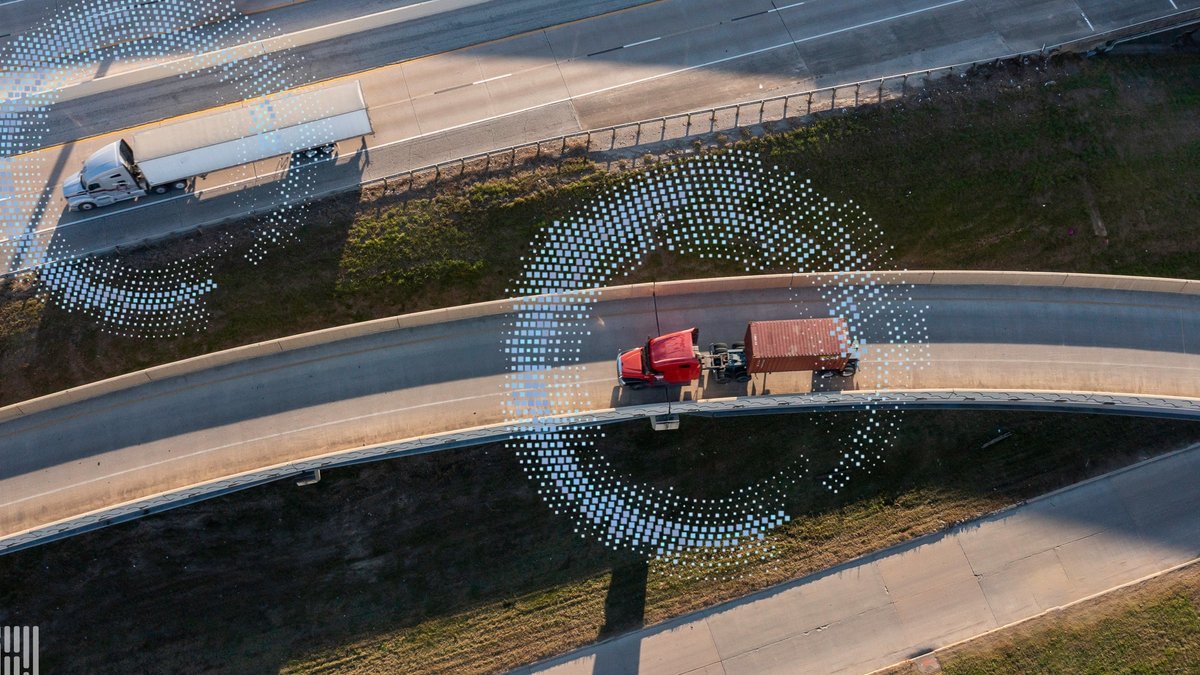
NFI Transportation Management received an award for its use of artificial intelligence in logistics operations.
The AI Excellence in Supply Chain Awards honor companies that move beyond using AI as a marketing term. Judges assessed entries based on actual deployments, integration depth, and measurable outcomes rather than promotional claims.
NFI distinguished itself by showing a strategy that covers multiple functions, with tools already in use long enough to produce clear benefits. While many logistics providers focus on isolated AI features, NFI targets repetitive tasks across its transportation management system.
Related: J.B. Hunt Sees Multiple Minibids This Summer
A Three-Pillar AI Framework
NFI’s approach consists of three categories: Operational Support, Back Office Support, and Customer Value Add. Each category addresses specific challenges without following trends.
In Operational Support, the company automated load tracking, a persistent issue in freight. Instead of relying on staff to check freight status through calls or emails, NFI implemented an AI system that handles tracking via web scraping, email monitoring, and automated phone inquiries. The system currently operates for less-than-truckload freight and is expanding to truckload, saving 160 hours weekly. A separate chatbot provides instant access to standard operating procedures and reporting, reducing training time and help-desk requests.
Back Office Support aims to eliminate repetitive tasks. Three tools manage most of this work:
- An email triage and response system that processes inbound freight bill correspondence automatically, saving 60 hours per week.
- A freight bill-to-load match exceptions tool, which uses AI to handle the tedious process of matching bills to loads. Two of three planned phases are active, saving over 17 hours weekly, with a third phase expected to add another 10 hours.
- An FBA aging app that generates aging reports for carriers on demand, saving 15 hours per week.
Together, these tools recover over 100 hours weekly in back-office productivity, freeing the equivalent of four full-time employees from load-tracking duties.
Related: Driver admits to large fuel card scam
Customer Value Add focuses on Navitrace, a global intelligence platform that powers NFI’s Digital Twin. This virtual model of a customer’s transportation network uses proprietary data and contracted rates to run scenarios. Customers can test the impact of adding or removing carriers, compare rates, or evaluate consolidation strategies without handling complex dashboards.
Navitrace was created to address a market filled with generic visibility tools that often overlook individual shipper needs. Its modular architecture allows integration with new technologies, making it more than just a real-time reporting layer. The platform reveals scenarios customers might not have considered, offering proactive insights instead of reactive data.
The objective is to change how humans and technology interact—using automation to remove friction so employees can focus on strategic work. This method strengthens customer and carrier relationships while continuously optimizing the network.
Unlike many AI discussions that focus on replacement, NFI’s approach emphasizes reallocation. That difference helped the company stand out in a crowded field where logistics providers compete to establish their own AI narratives.
Related: Why Chemical Logistics Needs a Shipper of Choice
Adam Wingfield, editorial director at the award organizer, noted that NFI demonstrated its work clearly. “Most entries discuss AI in vague terms, but NFI provided hours saved, dollar figures, and a clear view of what’s live versus in development. That specificity is what this award recognizes.”
Instead of relying on a single feature, NFI deployed multiple tools, each with a defined purpose, documented status, and quantified results. The company’s build-versus-buy approach prioritizes speed, return on investment, and customer value over adopting the latest AI trends.
The award reflects a shift in how logistics companies view AI—not as a standalone solution, but as a way to reshape workflows and improve efficiency at scale.

J.B. Hunt Sees Multiple Minibids This Summer


