


Dodik Wins Bosnia Election, EU Aspirations Setback
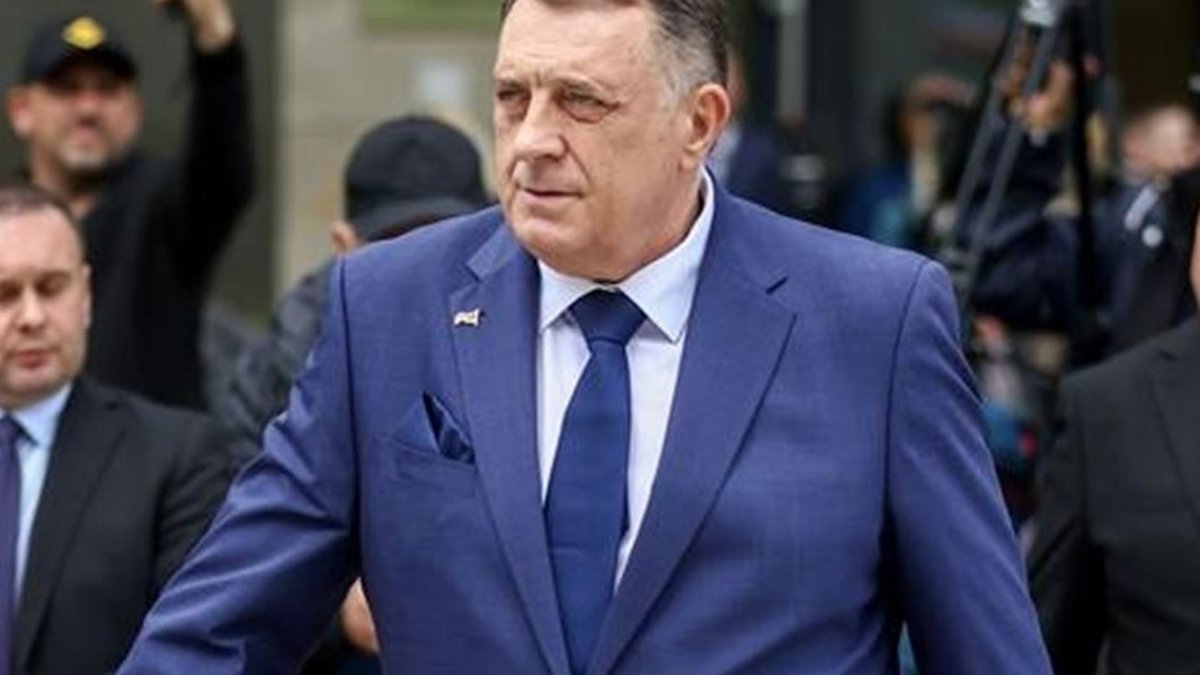
On Oct. 4, voters in the Serb region of Bosnia and Herzegovina re-elected Milorad Dodik’s Alliance of Independent Social Democrats, or SNSD, securing more than 55% of the vote and maintaining the Serb seat on the country’s three-member rotating presidency. The result, analysts say, signals a setback for Bosnia and Herzegovina’s aspirations to join the European Union, which has been stalling over constitutional and reform hurdles.
The elections, held under a power-sharing system established by the 1995 Dayton Peace Agreement, reflect deep divisions between Bosniaks, Croats, and Serbs in the nation. Republika Srpska, the Serb-dominated autonomous entity, voted overwhelmingly for Dodik, who has led the SNSD since its founding in 1996 and previously served as its prime minister from 1998 to 2000.
Dodik’s Political Longevity and International Ties
Dodik’s political survival has endured despite international efforts to marginalize him over corruption allegations and his repeated threats to secede from Bosnia and Herzegovina’s constitutional framework. In 2023, a Bosnian court sentenced him to one year in prison and barred him from public office for six years for defying orders from the international High Representative, a penalty he avoided by paying a fine. Yet he remained at the forefront of the campaign, emphasizing anti-EU rhetoric and advocating for Republika Srpska’s independence.
Read Also: Australian researchers call for gender-fair super overhaul
The SNSD’s victory coincides with renewed U.S. support for Dodik following Donald Trump’s 2024 election win. In October 2023, the Trump administration lifted sanctions imposed by the Biden administration in 2022, a move Dodik celebrated publicly. “If it had not been for Donald Trump’s magnificent victory… we would probably be political corpses today,” he said at a rally in Banja Luka, Republika Srpska’s de facto capital.
EU’s Strained Relations and Reform Challenges
The European Union, which granted Bosnia and Herzegovina candidate status in 2022 after years of delays, faces mounting pressure over its ability to advance the country’s accession. Analysts warn that Dodik’s resurgence complicates the reform process, particularly the overhaul of the judiciary and the implementation of constitutional changes required for EU integration.
Relations between the EU and Bosnia’s Serbs have been strained for years, with tensions escalating after several Bosnian politicians attended the funeral of Ratko Mladić, the Bosnian Serb general convicted for war crimes including the Srebrenica massacre. The SNSD’s victory is likely to deepen mistrust, undermining efforts to align the country with EU standards and weakening the central government’s authority in Sarajevo. The EU provides Bosnia with over €500 million in financial support, much of it contingent on reforms that may now prove harder to pass with Dodik’s strengthened position.
Read Also: Super funds limit losses as weaker Aussie dollar boosts returns
Turnout in the October elections dropped to 42%, the lowest since the war ended in 1995, signaling widespread voter disengagement. Džihić noted that many voters stayed home out of frustration, feeling that political parties and the establishment remain the same with little change. The low participation reflects a population weary of the same leaders and skeptical of meaningful change.
Financial Constraints and Reform Obstacles
The EU’s financial support for Bosnia and Herzegovina remains substantial, with over €500 million provided annually. However, the bloc has made reform progress a condition for continued funding, creating a delicate balance between encouragement and coercion. In August, the country accessed €140.5 million in non-repayable grants aimed at advancing reforms and infrastructure projects. Additional funds worth €373 million are available but tied to specific benchmarks that must be met to avoid forfeiture by year’s end. EU Ambassador Luigi Soreca warned that failure to act promptly puts these resources at genuine risk, highlighting the tangible consequences of political stagnation.
Reforming the judiciary represents one of the most contentious hurdles. The current court system remains fragmented along ethnic lines, with separate judiciaries for Bosniaks, Croats, and Serbs that often yield inconsistent rulings. Overhauling this structure requires constitutional amendments that Dodik and his allies have consistently opposed, viewing it as an infringement on Republika Srpska’s autonomy. Džihić argues that without a unified, impartial judiciary, meaningful reform is impossible, yet the SNSD’s electoral triumph makes such changes politically unfeasible.


