


July PMI 55.6% highest in years LTL bullish
July’s 55.6% PMI marked the strongest reading since May 2022, nudging the Institute for Supply Management’s manufacturing index well above the 50‑point threshold that signals expansion.
Manufacturing survey beats forecasts, lifts outlook
The latest survey of supply executives showed the index climbing 2.3 points from June, outpacing analysts’ expectations by 1.6 points. Real‑GDP growth of 2.8% in the same period aligns with the upward trend, the report noted.
New orders subindex rose to 56.7, a seventh‑month streak of improvement, and the ratio of positive to negative comments on order demand moved from 2.7‑to‑1 in June to 3.5‑to‑1. Inventories remain “too low,” with the inventory metric slipping 1.6 points to 40.7, while employment rose to 52.8, up 3.1 points.
Because a sustained PMI above 47.5 generally indicates overall economic growth, the latest figure suggests the broader economy continues to gain momentum after a three‑year stretch of contraction in manufacturing employment.
Less‑than‑truckload carriers feel the ripple
Industrial output accounts for roughly two‑thirds of less‑than‑truckload carriers volumes, so the ISM data often precedes changes in freight tonnage. Four publicly traded firms disclosed second‑quarter results that showed an average year‑over‑year tonnage rise of 2.6%, with July’s preliminary data indicating a 5.1% increase.
Weight per shipment climbed 3% year over year in the quarter, reflecting a shift of some truckload shipments back into LTL networks and a freight mix that leans more heavily toward industrial goods.
Management commentary was modestly upbeat. ArcBest (NASDAQ: ARCB) typically sees a 4.6% drop from June to July, yet this year the decline was only 1%, delivering a 360‑basis‑point outperformance.
Related: China Market Entry: Buying or Branding?
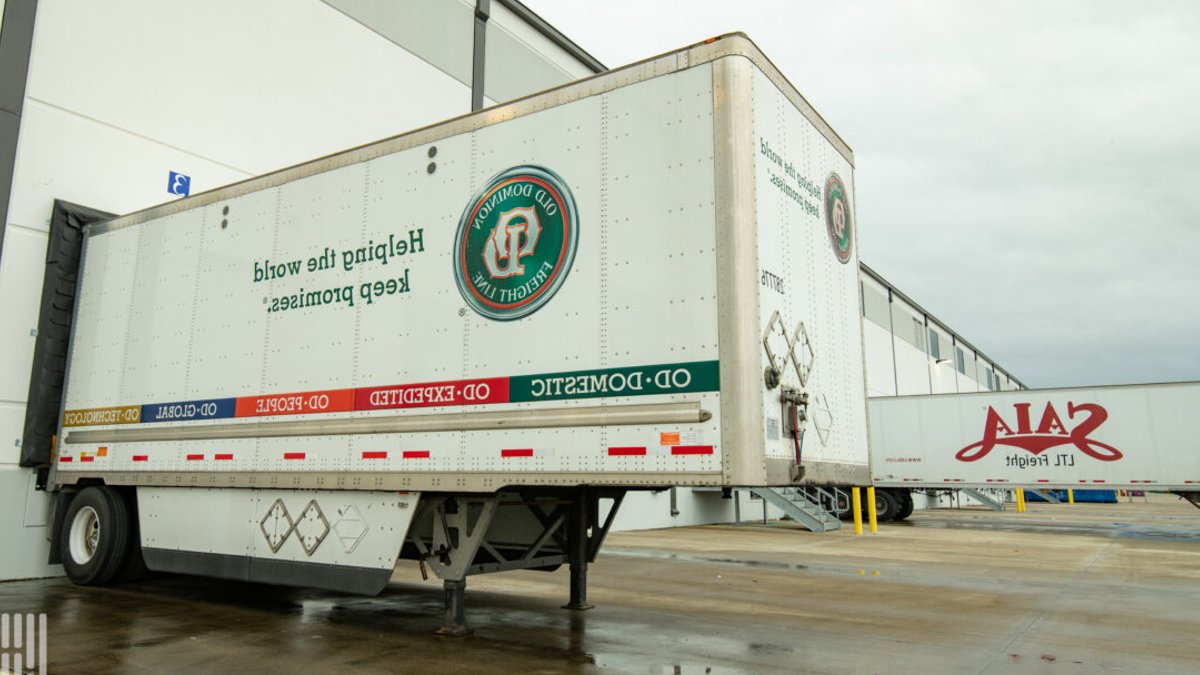
XPO (NYSE: XPO) posted 400 basis points of outperformance, while Old Dominion Freight Line (NASDAQ: ODFL) posted a 250‑basis‑point lift over normal seasonality.
Saia (NASDAQ: SAIA) reported a slightly subseasonal tonnage trend for July but announced a 7.1% general rate increase on July 6, which introduced short‑term volatility into its volume figures.
Customers are “a lot more positive,” with twice as many now expecting to accelerate activity in the back half of the year.
Supplier deliveries subindex rose to 58.9, indicating slower deliveries for an eighth straight month. No industry among the 13 tracked reported faster supplier deliveries compared with June.
The manufacturing surge benefits freight capacity, yet tightening in supplier deliveries hints at lingering constraints that could affect logistics costs and delivery timelines.
Demand for LTL services may stay raised.
Overall, the data paints a picture of a manufacturing sector that is expanding while reshaping freight patterns, providing a clearer signal for operators as they plan for the remainder of the year.

US Truck Enforcement Sweeps Hit 32 Drivers and 45 Vehicles


