


China Market Entry: Buying or Branding?
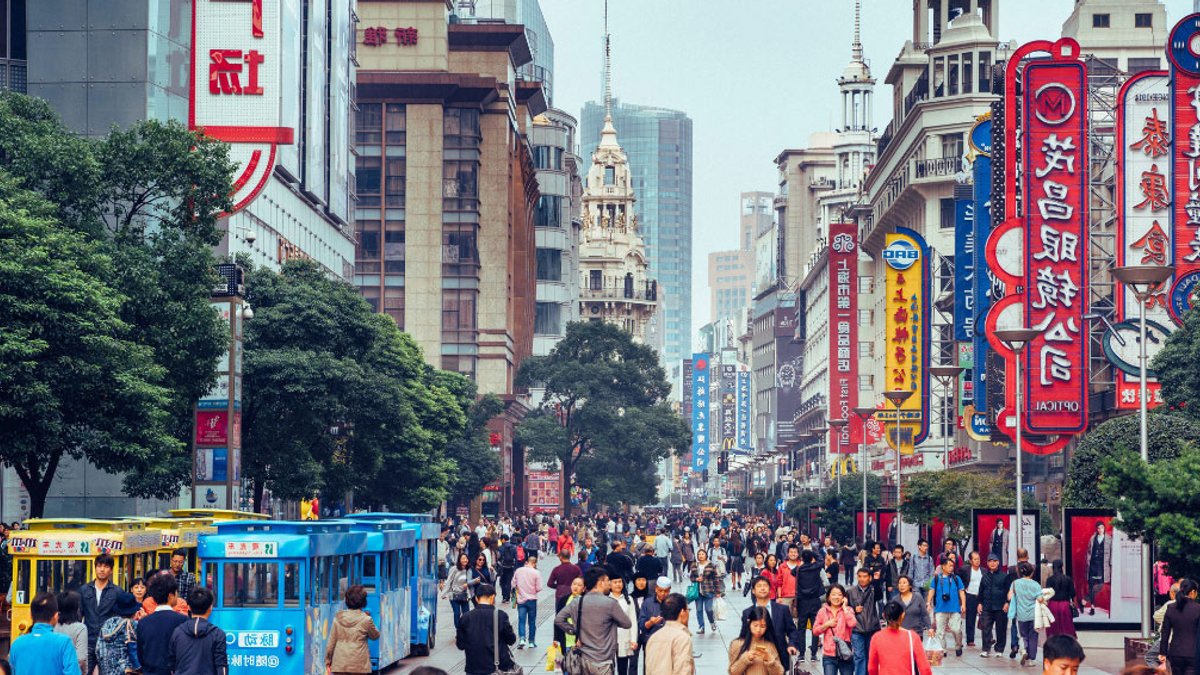
China-based product lines are shifting from manufacturing-led exports to brand-led expansion, creating a new opening for overseas distributors and agents. For decades, doing business with China meant finding a factory, negotiating a price, and moving the goods. While that still happens, Chinese companies are increasingly investing in local brand-building rather than competing on price alone. You can see this in categories ranging from electric vehicles to beauty and food and beverage.
Three ways to bring Chinese products to your market
Before approaching a supplier, decide which model you are actually building. They demand different skills and produce different margins.
1. Generic sourcing: You buy goods and compete on price, availability, and operational speed. It is fast to start and easy to copy, which means your advantage disappears the moment a competitor finds the same factory.
2. Private label: You customize a product and own the packaging, compliance, content, and customer relationship. More defensible, but you carry the full cost and risk of building demand for an unknown label.
3. Brand distribution: You represent an existing Chinese brand in your market through a defined channel — ecommerce, wholesale, regional retail, or B2B. You inherit the brand’s product development and identity, and you contribute the thing it cannot build from abroad: local market access.
Related: Wangchuk breaks 26-day fast as PM reaches out to students
The third model is the one growing fastest, and it is the one most trade professionals are underprepared for, because it rewards channel capability rather than the lowest quote.
Why brand distribution changes what you must bring
When you source a commodity, the supplier mostly cares about your order size and payment terms. When you ask to represent a brand, the brand is effectively hiring you to protect its reputation in a market it cannot see clearly. The evaluation criteria change accordingly. A serious Chinese brand will weigh channel access, after-sales capability, compliance readiness, brand-building ability, and repeat-order logic.
Notice that “cheapest offer” is not on the list. This is the mental switch that separates a sourcing buyer from a distribution partner.
The three cooperation models Chinese brands typically structure overseas cooperation in one of three ways. Knowing which one to propose signals that you understand the relationship. For the underlying legal distinctions between acting as an agent and acting as a distributor, FITT’s own explainer on agents vs. distributors is a useful companion read.
1. Non-exclusive distribution: You buy and resell without territory exclusivity. Best when you are testing a new brand or running several parallel channels, and when neither side wants to commit yet.
Related: Death for Chenthamara in double murder case
2. Regional exclusive agency: You gain exclusive rights to a defined territory in exchange for committing to sales targets and market development. Best for partners with established channels who can credibly promise coverage.
3. Project-based sales partnership: You collaborate on a specific account, tender, or single batch. Best for large B2B deals where a standing distribution agreement would be premature.
A common mistake is to demand regional exclusivity on day one. From the brand’s side, that reads as high risk unless you can show the channel plan and milestones to justify it.
Qualify before you approach: build a distributor profile
The single most useful thing you can do is prepare a written distributor profile before your first message. It reframes the conversation from “give me your best price” to “here is the market access I bring.” Include a channel map, category fit, target buyers and regions, compliance readiness, launch and first-order logic, and an after-sales plan.
In my work matching overseas distributors with Chinese brands, the profiles that get a fast “yes” are almost never the ones offering the biggest opening order. They are the ones that make the brand’s risk legible — a partner who clearly understands the category, the channel, and the compliance path.
Related: Adding your blog to your resume: An asset for landing a job?
Do the compliance and landed-cost homework. Brand distribution does not exempt you from the fundamentals; it raises the stakes, because a compliance failure now damages a brand’s name, not just a shipment. Before you commit, classify the product properly using the World Customs Organization’s Harmonized System. Fix the Incoterms using the current ICC rules. Check category certification for your market — not China’s. Electronics, batteries, wireless devices, cosmetics, children’s products, and food-contact goods each trigger local regimes like CE/UKCA in Europe and the UK, FCC in the United States, and BIS in India. Model the true landed cost, including freight, customs brokerage, storage, returns, marketplace fees, and warranty cost.
Win rights with a test-market structure, not a demand
The strongest way to earn distribution rights is to propose a staged structure that de-risks the brand. Start with samples and exact model specifications. Then propose a small, well-documented first order with clear compliance paperwork. Include a written support and reporting process for how you will handle service and what sell-through data you will share. Only once the above are accomplished, have a conversation about a larger territory or exclusivity, tied to specific milestones.
This sequence does two things at once: it proves your operational discipline, and it gives the brand a reason to choose you over a partner who simply asked for exclusivity and a discount.
Sourcing from China and representing a Chinese brand are not the same business, and the gap between them is widening as Chinese brands invest in going global. The importer who treats a brand as a cheap supplier will keep fighting on price. The distributor or agent who does the homework — a real channel map, a compliance plan, the right cooperation model, and a staged test-market offer — is positioned for something more durable: a partnership that produces repeat sales, defensible territory, and a brand that wants to grow with you.

Wangchuk breaks 26-day fast as PM reaches out to students

Understanding International Trade Definitions Roles and Careers
Related Articles


 Campaign Watch