


EU Proposes Social Media Ban for Under-15s Requiring Parental Consent
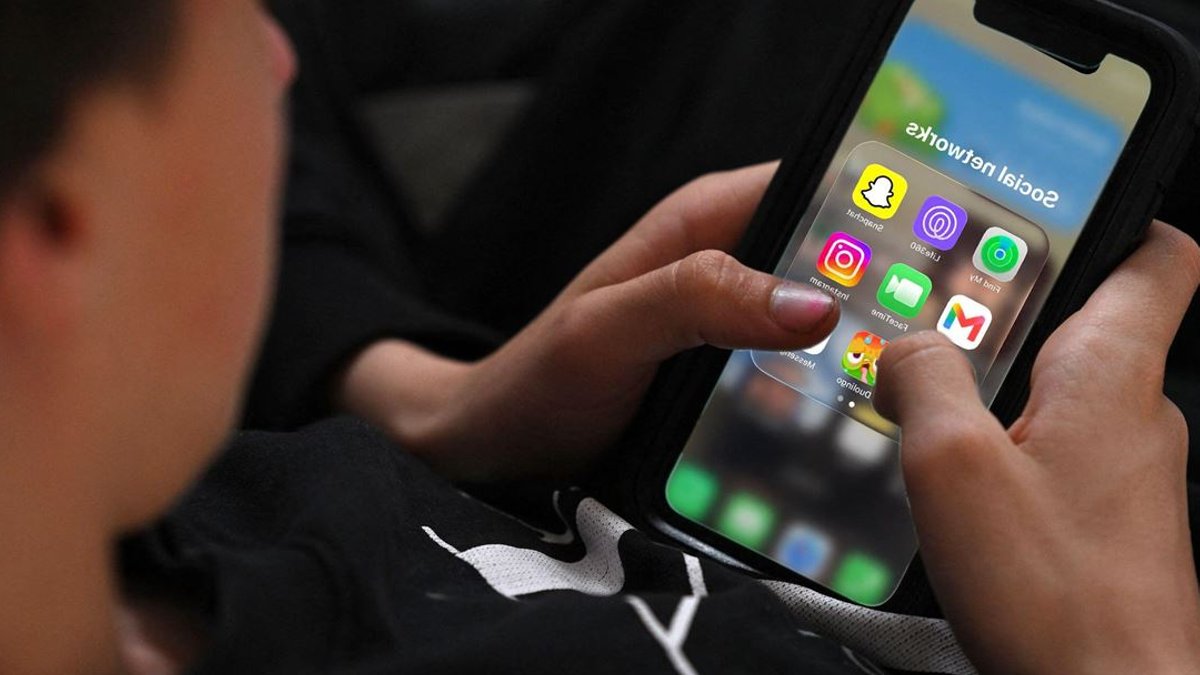
European Commission President Ursula von der Leyen has proposed banning children under 15 from using social media without parental consent, in what the EU calls its most ambitious youth online safety measure yet.
The EU Kids Act proposal comes after more than a dozen member states pushed national social media bans, creating pressure for EU-level action. But the measure faces significant hurdles before becoming law.
The regulation must clear the EU’s complex legislative process. This timeline drew criticism from some member states that want faster action.
Jessica Galissaire, policy researcher at the European tech think tank Interface, noted the EU already has legal tools available. “We are not lacking legal instruments,” she said. “Clearly, the problem lies elsewhere. What we are lacking is enforcement, and adding one more layer to the legislative millefeuille will not change that.”
Several analysts questioned why the EU chose to draft entirely new legislation rather than using existing frameworks like the Digital Services Act or the upcoming Digital Fairness Act.
Strict Limits on Teen Accounts
The proposal would bar children under 13 from social media entirely unless a parent opened an account for them and the platform could demonstrate it is a “child-friendly” service. For 13-year-olds to 15-year-olds, parents could open accounts with additional measures such as parental oversight, a one-hour screen-time limit, and restrictions on contact with strangers. From 15, teenagers would be able to open their own accounts.
The regulation extends beyond traditional social media to include video-sharing platforms, AI chatbots, and online gaming services with social features. This broader scope exceeds what Australia has implemented, where under-16s face platform bans starting in December 2025.
Commissioner Henna Virkkunen defended the approach, stating that targeted legislation was needed to protect children. The EU plans to use existing DSA and AI Act enforcement structures rather than creating new ones.
Fines and Enforcement Measures
Under the proposal, platforms face fines of up to 6% of global turnover for non-compliance, with a fast-track 90-day enforcement procedure.
The proposal also includes a reversal of the burden of proof, requiring platforms to prove they are safe for users under 18. Von der Leyen cited research showing social media negatively affects developing brains and personalities during her September 17 press conference.
However, the age verification system remains incomplete. Commission officials said member states aim to finalize it by year-end, with only 10 countries having ready verification tools so far. Patrick Grady of the Information Technology and Innovation Foundation noted the system avoids some privacy issues of Australia’s approach but still faces implementation challenges.
It would also introduce “safety-by-design” requirements to reduce addictive design features and would require platforms to prove they are safe for users under 18. These measures mandate that companies demonstrate their services are safe for users under 18, shifting the responsibility to platforms to prove compliance with youth protection standards.
National Bans and Legal Challenges
Throughout 2025 and 2026, EU countries have moved quickly to propose their own restrictions on social media use by minors. A French proposal, for example, was meant to take effect in September before being ruled unconstitutional.
Commission officials laid out a more optimistic timeline of eight to 12 months, while MEP Sandro Gozi hoped the act would be signed off in 18 months.
Jessica Galissaire, along with other analysts, said the EU had plenty of other legislative tools it could have used instead of drafting an entirely new piece of regulation, such as Article 28 of the DSA, which covers protection for minors, or the upcoming DFA. The EU now faces the task of finalizing and enforcing the Kids Act, which aims to provide a safer online environment for children.


