


Paraguay President Removed From Office
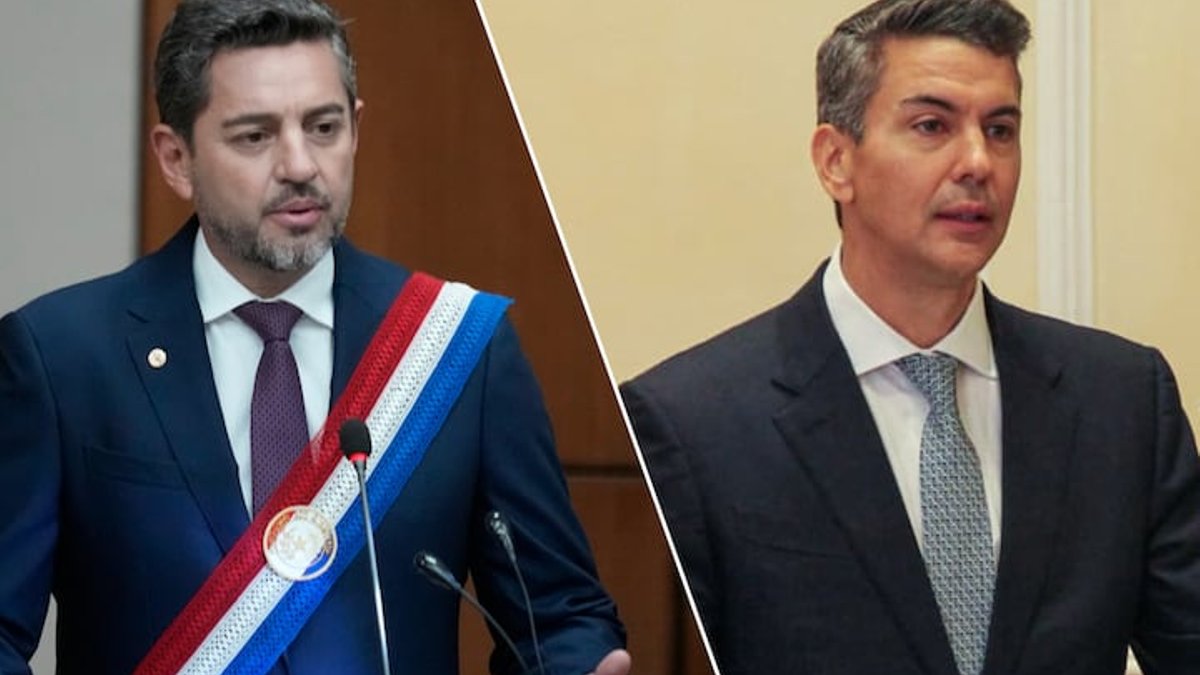
Santiago Peña, the ousted president of Paraguay, was placed under house arrest on Friday under suspicion of abuse of trust and influence peddling, among other charges. This came shortly after the Senate voted unanimously, with all 44 present senators voting in favor of removing Peña from office due to serious faults in his duties.
The Senate’s decision makes him the second Paraguayan president to be removed through impeachment since the end of General Alfredo Stroessner’s 35-year dictatorship in 1989.
Aftermath of the Verdict
When the verdict was announced, a roar rose from the crowds packed in front of the Congress building. Bank customers, retirees, and students wearing the national football team’s jerseys waved Paraguayan flags, sang, and hugged each other.
The regulators had seized Ueno Bank just three days earlier, sending shockwaves through the financial system and triggering the country’s worst political crisis in over a decade.
Charges Against Peña
Santiago Peña is accused of diverting public funds to Ueno Bank. He received an order to remain in one of his homes in Asunción until he appears before prosecutors on Saturday morning to face charges of abuse of trust, influence peddling, and using his public office for personal benefit, the most serious of which carry up to 10 years in prison.
Legislators accuse him of using his political influence to channel hundreds of millions of dollars in public funds to Ueno while regulators overlooked risky internal loans. Peña has denied committing any crime.
New President Takes Office
Pedro Alliana, the vice president, was sworn in as president on Friday to complete the remainder of the term, which ends in August 2028. Alliana is also under investigation in relation to the bank and inherits a government under pressure to return depositors’ money and punish those responsible.
Read Also: TV Host Mónica Castañeda’s Brother Dies Suddenly
In a farewell message before the verdict, Peña expressed his hope that his “presence will not be a cause for greater division or instability”. “I bid farewell with gratitude, without ignoring the anguish of those who today await answers,” he wrote.
Public indignation has grown with each passing day. As senators deliberated on Friday, crowds of protesters demanding the return of their frozen savings and accountability for those responsible for Ueno Bank’s collapse marched through the center of Asunción, chanting “Santi Peña to Tacumbú”, referring to the capital’s main prison, where Ueno’s founder and former general manager, Miguel Vázquez, is currently detained.
“It was a huge breach of trust,” said Yinal López, an employee of the state electricity company, whose employee pension fund also had money in Ueno. “The president mocked the people.”
The collapse of Ueno Bank has left nearly half of Paraguay’s 6 million inhabitants without access to their savings, with over 1 million Paraguayans unable to withdraw cash, access their accounts, or use their cards to make purchases. The digital lender had aggressively courted the poor and those without bank accounts with generous rebates at supermarkets.
The consequences of the collapse have extended far beyond savers. A transportation app that relied on Ueno closed, leaving 3,000 drivers without jobs. The state electricity company says 21 millones de dólares in loans from the Inter-American Development Bank and Taiwan, intended for public works, are trapped in the bank.
In a separate case against Ueno executives, prosecutors have charged 27 people, including Vázquez, with crimes including abuse of trust and attempted fraud. A judge ordered six former directors, including Vázquez, to remain in preventive detention, and two others to be confined to their homes with electronic monitors. Authorities have seized luxury vehicles, a yacht, and two planes linked to Vázquez.


