


Postal Service hits $20B with new parcel fee
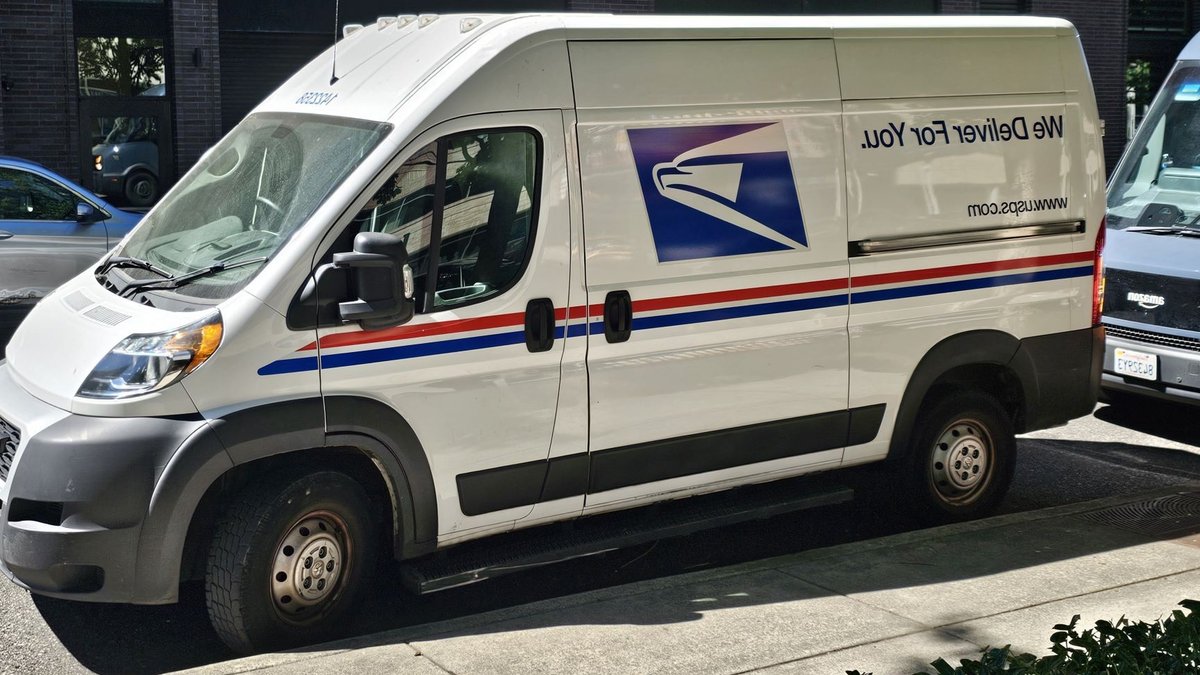
The U.S. Postal Service reported $19.9 billion in revenue for its fiscal third quarter, a 6.1% increase driven by higher stamp prices and a temporary parcel surcharge introduced in April.
Its net loss shrank by $584 million, or 18.2%, to $2.5 billion compared to the same period last year. The controllable loss, excluding mandated obligations outside management’s control, was $1.04 billion.
Parcel fees and stamp hikes lift revenue
Operating revenue for the three months ending June 30 reached the reported figure. Gains came from price increases on First-Class and marketing mail, along with a parcel surcharge implemented to cover rising fuel and transportation costs. The surcharge will expire on January 17. The Postal Service stated the increases were partly offset by declining mail and package volumes.
Postmaster General David Steiner attributed the improved results to network optimization, which cut work hours while improving service, and a reduction in workers’ compensation costs. He added that integrating distribution centers and new technology had gone smoothly, avoiding past issues.
Financial pressures persist despite gains
The agency has deferred payments to employee pension and retirement funds, pushing its liquidity runway to at least August 2027 from an earlier 2031 projection.
Mail volumes have dropped more than half since 2007, even as delivery points keep rising. Last year, the Postal Service added 1.8 million new stops, increasing costs while the average pieces delivered per stop fell from 5.5 in 2007 to 2.4 in 2025.
The agency has long argued its financial struggles stem from structural constraints, including the requirement for universal mail coverage and legal obligations for pension funding. Steiner has urged lawmakers to allow the Postal Service to operate more like a private business.
Related: AI data centers reshape freight demand
The challenge of balancing public service with financial stability isn’t new. The Postal Service must serve every address in the country, regardless of cost. As mail volumes shrink and delivery points expand, the financial equation becomes harder to solve—especially when regulators cap price increases.
Regulators limit pricing flexibility
Steiner criticized the Postal Regulatory Commission’s decision to allow price increases only once a year, calling it a $700 million revenue loss. The agency has since requested a January stamp rate hike using a different method it says will generate more income.
“Using our pricing authority is essential for financial sustainability, and we need more flexibility to cover costs,” Steiner said. “We’d prefer to grow both volumes and revenue, but if we can only do one, we’ll focus on maximizing total revenue.”
He likened the approach to strategies used by airlines and grocery stores, where prices adjust to boost profits even if volumes decline. “Data shows we haven’t reached the point where we should change our pricing strategy,” he said. “Not taking more price in the market would be financially irresponsible.”
Steiner emphasized the need to fix a business model that has caused a 17-year imbalance between costs and revenue. “As we reduce costs and improve revenue, we expect to become more profitable, allowing the appropriation to shrink,” he said.
A recent case highlighted vulnerabilities in transportation systems when a driver admitted to fraud involving fuel cards.

Driver admits to large fuel card scam


