


Beginners Find Ways to Earn Bitcoin in 2023
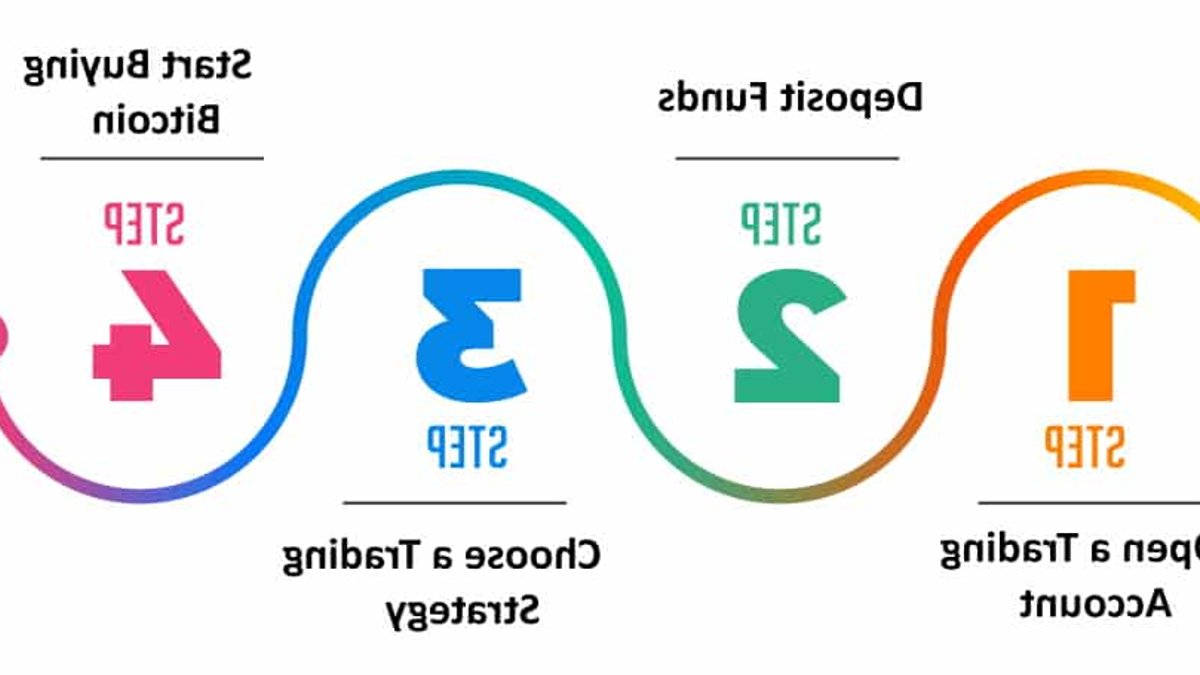
Bitcoin’s climb to an April 2023 all-time high of $64,863.10 put the cryptocurrency back in the spotlight, with its return on investment sitting at 35,342.95% since inception. The high return leads people to ask whether real money can be made with it. The short answer is yes, but it depends heavily on where you buy it and how you approach the trade.
Getting started requires an account with a regulated broker or a cryptocurrency exchange. The minimum entry point is around $25, which makes it accessible even for cautious first-time buyers. But the fees and features vary widely between platforms, and that’s where the real differences show up.
Where to Buy Bitcoin: Exchanges Compared
Coinbase is one of the most recognizable names in the space.
It holds a market capitalization of over $47 billion and averages more than $1.4 billion in daily trading volume. The company went public on the NASDAQ in April 2021, raising $500 million in its IPO and earning a market value of $8 billion at the time.
The platform charges a standard commission of 1.49% per trade.
Related: Nvidia Stock Jumps on China Import Approval
Converting one cryptocurrency to another costs about 2%, which runs slightly higher than the industry average. Debit card deposits carry a heftier 3.99% fee, though bank transfers avoid that charge entirely — they just take a few business days to clear.
The exchange is registered with FinCEN as a Money Services Business and holds an Authorized Payment license in the UK. That regulatory footprint matters to some investors, especially those who want their exchange to disclose financials publicly. It’s not the cheapest option, but it’s one of the more transparent ones.
Binance takes a different approach. Based in the Cayman Islands and founded in 2017, it serves more than 15 million traders with daily volume exceeding $13 billion. Its spot trading fee sits at just 0.1%, with instant buy/sell transactions at 0.5%. That’s considerably leaner than most competitors.
Storage is handled through its native wallet, which includes two-factor authentication and IP whitelisting. Client funds are held in cold wallets, and the platform maintains a SAFU insurance fund funded through transaction fees. The Trust Wallet app is available on both Apple and Android devices.
There’s a trade-off here that’s worth understanding.
Related: Do Rental Properties Still Deliver Profit
The cheaper fees on Binance come with a less established regulatory profile than Coinbase’s. That doesn’t mean one is right or wrong — it means the choice depends on what you value more: cost efficiency or regulatory comfort.
Buying Bitcoin Through a Broker
XTB offers a middle path. It’s a regulated broker with millions of users, and it charges 0% commission on crypto trades with a typical spread of just 0.75%. The minimum deposit is $50, and you can fund your account through bank transfers, e-wallets, or debit cards.
The account opening process is fully digital. You register online, complete the Know Your Customer verification by uploading proof of identity and address, then deposit funds. The per-trade minimum stays modest.
One thing to note: the broker offers CFDs on the digital asset, not direct ownership. With contracts for difference, you’re speculating on price movements without holding the underlying asset. That distinction matters if you want to actually own Bitcoin rather than bet on its price direction.
Strategies and Market Outlook
The cryptocurrency stayed under the radar until the bubble burst that brought it into the mainstream. Since then, it’s been a volatile but persistent presence in investment portfolios. The current price at the time of writing sits at $48,707.87, with a 24-hour trading volume above $32 billion and market dominance of 43.8%.
Related: Alibaba’s Stock Jumps as T-Head AI Unit Considers IPO
Mike McGlone, a senior commodity strategist at a financial data firm, has suggested the asset could reach the $100,000 mark. The general consensus among market analysts points to a possible rally in the third and fourth quarters of the year, though forecasts like these are inherently speculative.
There’s no single “ideal” trading strategy for beginners. Some investors buy and hold, others trade the volatility, and some use dollar-cost averaging to smooth out the price swings. The right approach depends on your financial goals and how much risk you’re comfortable carrying.
The comparison to Amazon’s 1997 IPO comes up often in these discussions — a $10,000 investment then would be worth over $10 million now. The logic is that early entry into a growing asset class can pay off substantially, but the same logic applies to any speculative investment. Timing matters, and so does the discipline to stick with a strategy once you’ve chosen one.
The asset’s rise from obscurity to a $915 billion market cap happened in just over a decade. Whether that trajectory continues is anyone’s guess. What’s clear is that the infrastructure for buying and trading it has matured considerably, with multiple platforms competing on fees, security, and ease of use.
For newcomers, the practical takeaway is straightforward: choose a platform that fits your budget and risk tolerance, verify your identity, and start small. Entry points at both the broker and the exchange are low-stakes. The rest is about research, patience, and not investing more than you can afford to lose.

Nvidia Stock Jumps on China Import Approval


