


AI and Asia Boost Lufthansa Cargo Revenue 27%
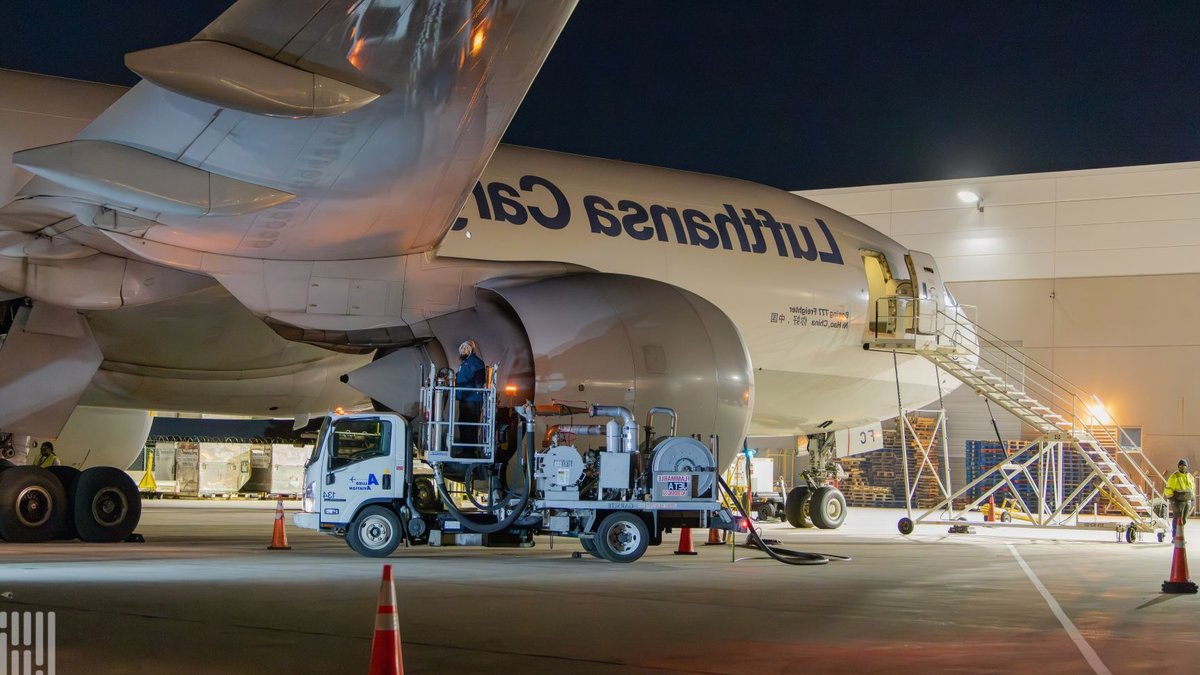
Lufthansa Cargo reported a 27% rise in second‑quarter revenue, driven by stronger demand for AI hardware shipments and a surge in Asian freight activity.
Revenue and profit gains amid volatile markets
The German carrier’s cargo division posted adjusted operating profit up 26% year‑over‑year, with revenue climbing to €1 billion (about $1.2 billion). The profit margin improved by 2.2 percentage points to 10.4% for the first half of the year. Despite higher fuel costs linked to the U.S.–Iran conflict, fuel surcharges helped offset those expenses and contributed to a 27% increase in yields compared with the same period last year.
Demand in the second quarter edged higher, rising 3% despite ongoing Middle‑East disruptions. Competitors such as Emirates and Qatar Airways Cargo trimmed flights, prompting some ocean‑freight customers to shift to air, which lifted yields on Asian routes by roughly 30% and on Middle‑East lanes even more.
AI‑related cargo drives growth
The surge in shipments of server racks and related equipment is a key factor behind the revenue boost. Lufthansa Group CEO Carsten Spohr told analysts that moving large, expensive AI hardware “has almost become an industry‑shaping element.” He noted that the size and risk of such cargo make air transport especially lucrative, requiring dedicated freighter capacity.
Related: Mexico gains edge in global trade
In addition to AI hardware, the airline benefited from higher‑margin sectors including pharmaceuticals, semiconductors and automotive parts. Research from Xeneta indicates that demand for semiconductor and AI‑related hardware helped the broader air‑cargo market grow 7% in June.
While the carrier operates 12 Boeing 777 freighters and markets capacity on six more through its joint venture AeroLogic, it also leverages belly space on passenger flights from sister airlines such as Austrian Airlines and Brussels Airlines. The total fleet of wide‑body freighters under its control now totals 18 aircraft.
According to the International Air Transport Association, Lufthansa Cargo ranks 14th globally by traffic volume. The strategy includes expanding ground infrastructure.
Chief Financial Officer Gregor Schleussner said the company plans to return to the top tier of cargo airlines by decade’s end, targeting a place among the world’s three largest freighters.
Related: Truck maker closes Ohio plant cuts 1341 jobs
During the same period, the carrier quietly dropped plans to reinstate four Airbus A321 freighters that had been removed from regional routes earlier in the year. No official explanation was given, though analysts suspect operating challenges and market conditions made the aircraft unprofitable.
Despite the cargo division’s strong performance, the Lufthansa Group as a whole faced a steep decline in profitability, with operating profit dropping 56% to €441 million and net income falling nearly 90% to €141.7 million, largely due to an $864 million increase in fuel expenses.
Future outlook
Next steps include further expanding the e‑commerce footprint and maintaining focus on high‑margin cargo segments.
Analysts will watch how the carrier balances investment in infrastructure with the volatility of fuel prices and global trade tensions.

Mexico gains edge in global trade


