


Cyprus extends fuel tax cut for three months
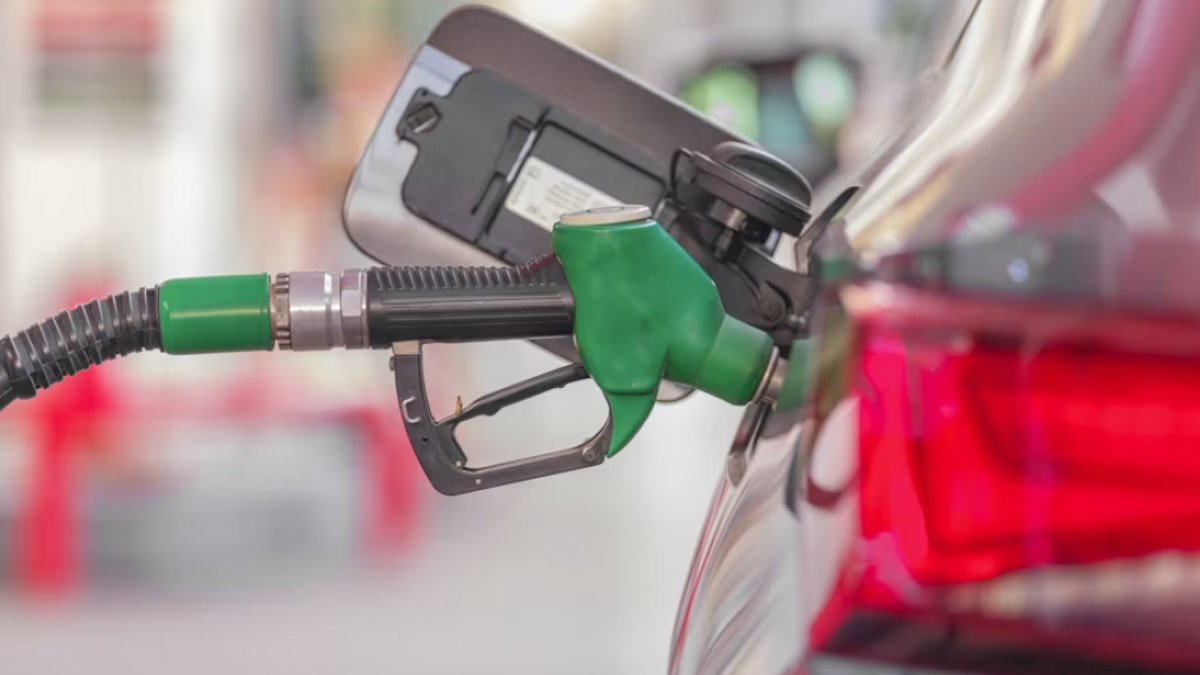
Cyprus’s parliament approved a three-month extension of reduced fuel taxes, postponing their expiration until November 30, 2026. The unanimous vote, with 43 lawmakers supporting the measure, delays the end of a special excise duty cut on petrol and diesel that was set to expire today. This adjustment lowers taxes by 8.33 cents per liter for both fuels, with the change taking effect right away to prevent sudden price spikes at gas stations.
The decision follows growing worries about global energy markets, particularly escalating conflicts in the Middle East that have driven fuel prices upward. The Chairwoman of the Finance Committee, DIKO MP Christiani Erotokritou, stated that the Ministry of Finance’s position is that it will continue to monitor developments in energy prices in the international market so that, if needed, it can extend the reduction beyond November 30.
Christiani Erotokritou, who leads the Finance Committee, pointed out that Cyprus already applies the lowest fuel excise rates permitted under EU rules, which helps households manage costs. Yet opposition parties argued for more substantial changes, including the removal of value-added tax (VAT) on fuel excise duties—a policy some critics called “double taxation.”
Yiannis Laouris from Direct Democracy supported the extension but insisted the tax reduction should become permanent, given that fuel prices in Cyprus stay unusually high. He also proposed maintaining the reduced 5% VAT rate on electricity and eliminating VAT on emissions fees. Odysseas Michaelides of Alma highlighted the sharp rise in heating oil costs, which have climbed by €550 per ton since the war began, now reaching €1,500 per ton.
While the extension offers temporary relief, lawmakers acknowledged deeper challenges ahead. Cyprus will join the EU’s transport emissions trading system in January 2028, raising questions about how future tax policies will adapt. Andreas Pasiourtides of AKEL criticized the current measure as inadequate, calling for the inclusion of heating oil in the relief and the abolition of VAT on fuel taxes.
Giorgos Loukaides from AKEL noted that there is no public transportation in Cyprus, noting that citizens are consequently more dependent on private vehicles. Meanwhile, Annita Demetriou of DISY described the extension as necessary amid inflation hitting 5.2% in August, though she stressed that additional steps are needed to ensure long-term affordability.
Opposition members also expressed concerns about “green taxes” affecting citizens in areas outside government control, where pollution occurs but emissions regulations do not apply. The discussion revealed conflicting priorities between immediate cost relief and broader structural reforms, with some advocating for permanent adjustments to fuel and energy taxation.

Boards fail to manage reputation as asset


