


Nvidia Stock Jumps on China Import Approval
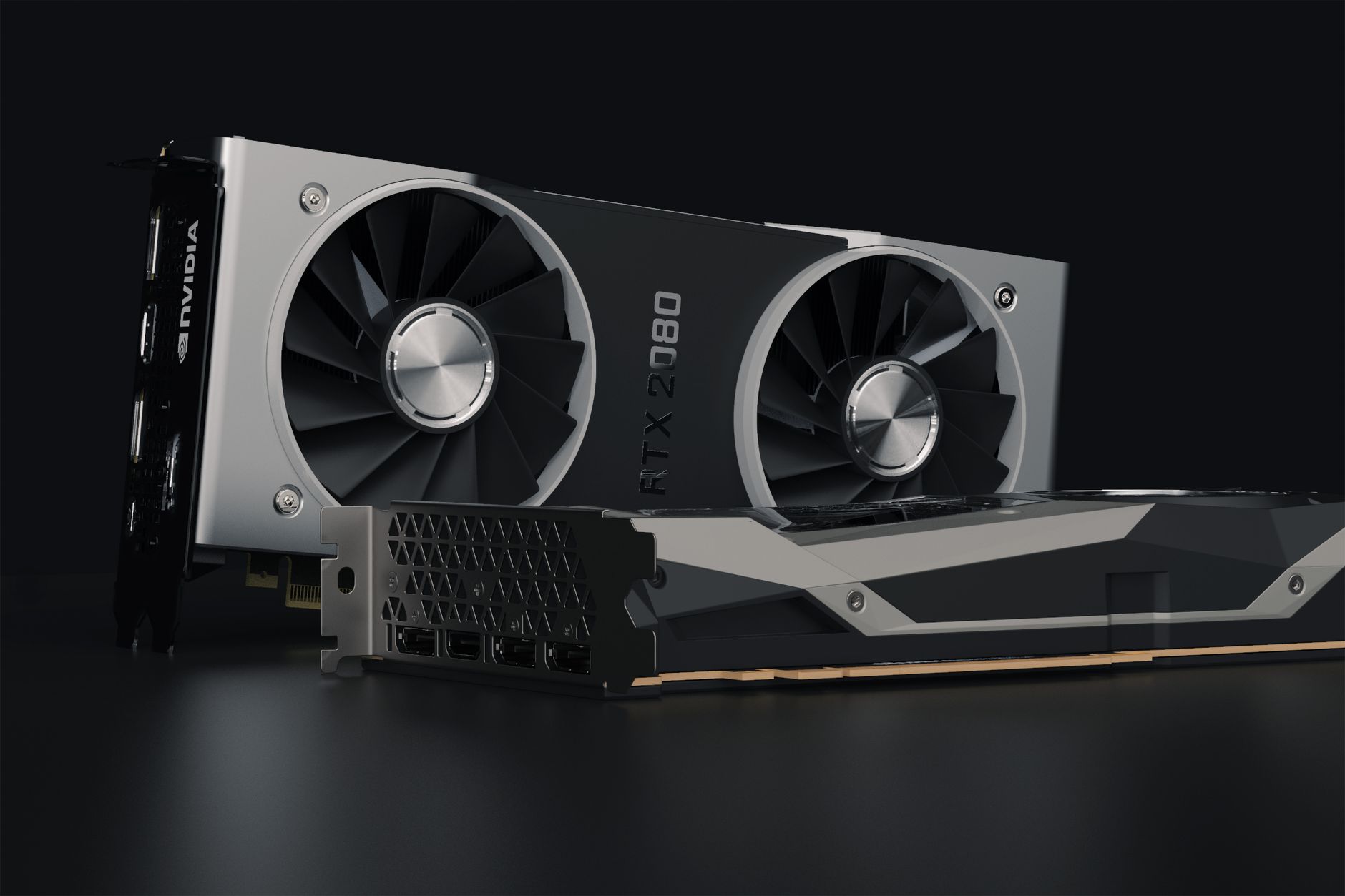
Nvidia stock is trading higher today on reports that China has cleared the way for ByteDance, Alibaba, and Tencent to begin purchasing Nvidia’s advanced H200 artificial intelligence (AI) chips. U.S. President Donald Trump had previously cleared H200 exports to China, but Chinese companies were apparently waiting for a nod from the government.
Chinese regulators had previously hesitated to approve the imports, fearing they would undermine the growth of domestic chipmakers like Huawei. However, the tide turned this week during an official visit to China by Nvidia CEO Jensen Huang.
According to reports, the first batch of approvals covers over 400,000 H200 chips, worth an estimated $10 billion. ByteDance, Alibaba, and Tencent are the first in line, with a queue forming for other domestic firms. Sources indicate that Beijing’s “nod” comes with strings attached.
Regulators are expected to require a bundle ratio, where companies must purchase a certain percentage of domestic AI chips (such as Huawei’s Ascend series) for every Nvidia chip imported. The H200 is a significant leap over the “nerfed” H20 chips previously available to the Chinese market.
Commencement of exports to China would be a major relief for Nvidia, which has been severely constrained in a lucrative market since initial export controls were imposed. Huang has actively lobbied the administration, arguing that overly strict restrictions merely push China to accelerate its own domestic AI chip development, ultimately undermining the U.S. lead.
Related: Tesla Sales Drop Sharply in Europe
Nvidia has been losing its market share in China, and the company has warned that it is losing its competitive edge in the country where it once had a dominant market share. During the fiscal Q1 2026 earnings call in May, Nvidia CFO Colette Kress said, “Losing access to the China AI accelerator market, which we believe will grow to nearly $50 billion, would have a material adverse impact on our business going forward and benefit our foreign competitors in China and worldwide.”
Notably, while exports of Nvidia’s top-of-the-line AI chips to China were barred, there have been recurring reports of these being smuggled into the country. Allegedly, DeepSeek, which gained attention for developing cost-efficient AI models, has been employing restricted Nvidia Blackwell chips.
In response to the accusations, Nvidia has issued a strong denial, stating that the company has “not seen any substantiation or received tips” to support the claim of smuggling through external data centers.
Public filings have shown that a substantial portion of Nvidia’s revenue, reported to be around 22-28% in some periods, is billed through Singapore.
Nvidia emphasizes that its revenue is reported based on the customer’s billing location.
Related: Five mistakes to avoid as a landlord
Singapore’s Ministry of Trade and Industry (MTI) has also stressed that the physical delivery of products to Singapore accounts for a very small fraction (reportedly less than 1%) of the revenue billed there.
As Nvidia resumes exports to China, the company may be able to regain some of its lost market share, but it will likely face continued competition from domestic chipmakers like Huawei. The Chinese government’s promotion of “civil-military” fusion and its support for domestic tech companies may also pose challenges for Nvidia and other foreign companies operating in the country.
The Chinese Communist Party (CCP) promotes a strategy of Military-Civil Fusion, which seeks to integrate the private sector’s technological innovation, including data and AI capabilities, with the People’s Liberation Army (PLA). This reinforces the government’s interest in accessing corporate data for strategic purposes.
Alibaba is among the Chinese companies that have developed AI chips and even secured a major deal with state-owned telecom company China Unicom to supply AI chips for a new data center. The move marks a major victory for domestic chipmakers amid escalating geopolitical tensions and US export restrictions.
Alibaba is said to be moving forward with plans to spin off and list its specialized semiconductor division, T-Head (also known as Pingtouge). This strategic move follows a broader trend among Chinese tech giants to capitalize on the massive demand for domestic AI infrastructure, which may be related to the global trade setting.

Tesla Sales Drop Sharply in Europe


