


Freight market softness may be deceptive
The freight market appears softer than the underlying data suggests.
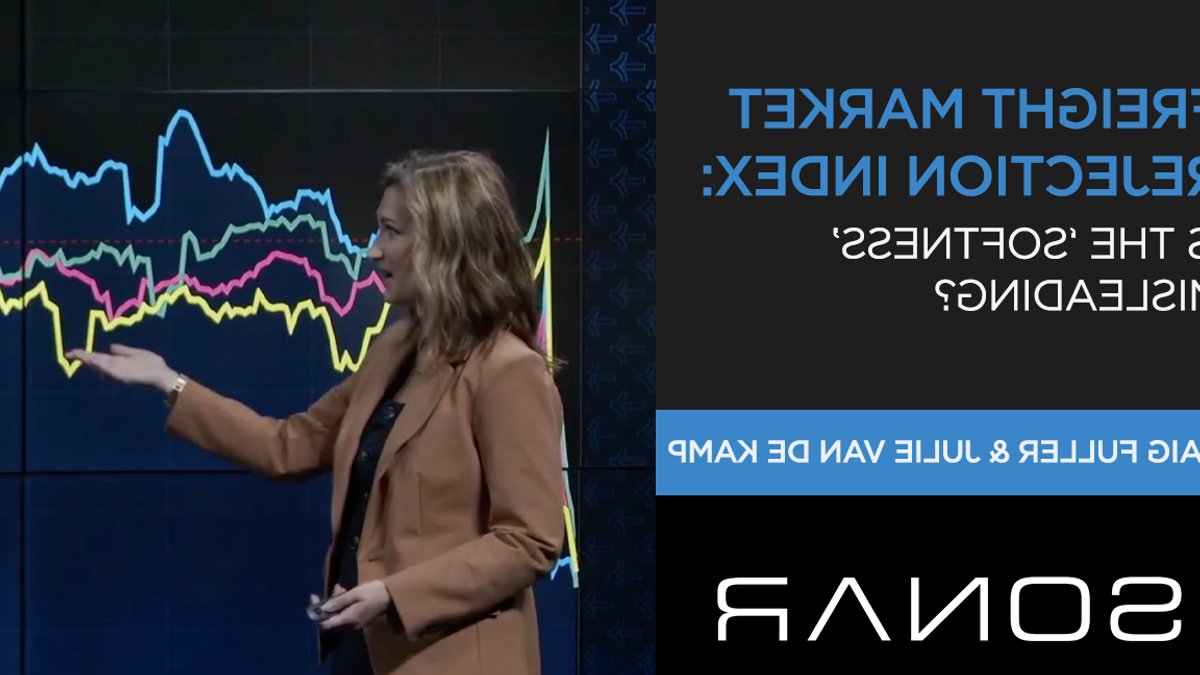
Recent figures indicate demand is cooling, yet one key measure—the national tender rejection index—presents a contrasting picture. At approximately 13.5%, the index remains higher than any point recorded in 2024, including last year’s peak season. This figure, often interpreted as a sign of market slack, exceeds typical levels for this time of year.
Rates and rejections challenge expectations
Truckload spot rates average $3.34 per mile, 21% above last year’s levels and near the record set in late 2021. Truckload contract rates rose 7.5% over the past three months, while intermodal contract rates increased only 0.6% in the same period. The disparity creates a 34% cost discount between the two shipping methods, encouraging shippers to choose rail.
Craig Fuller, CEO of FreightWaves, described the discount as “door-to-door pricing for putting freight on a train versus a truck.” Julie Van de Kamp, an analyst at FreightWaves, noted the mode conversion opportunity is especially compelling in the eastern half of the U.S., where truckload capacity has been the tightest. Unlike past disruptions, such as COVID-era chassis shortages, railroads and intermodal marketing companies can now balance their networks more effectively in that region.
Fuller asked why shippers wouldn’t take advantage of the savings.
Related: Canadian trade envoy advances Italy ties
The rejection index’s recent decline follows seasonal trends. Tender rejections usually peak around the July 4th holiday, a pattern consistent in SONAR’s historical data. Fuller anticipates rejections will climb again in late August before Labor Day, with further tightening in mid-October as retailers prepare for Black Friday.
Demand remains strong despite seasonal shifts
Outbound tender volumes have eased since a Memorial Day surge but stay above 2024 and 2025 comparison lines, roughly matching 2023 levels. A major mall operator informed Fuller that consumer activity remains “really robust,” suggesting freight demand could persist through the year’s end.
Intermodal operators are already capitalizing on the pricing gap. J.B. Hunt, Hub Group, Schneider, and Knight-Swift stand to benefit. This week, FreightWaves’ SONAR platform introduced a new intermodal API covering rates across over 2,000 lanes, with broader UI availability coming soon. Van de Kamp called the timing ideal given the surge in shipper interest in mode conversion.
The market isn’t softening—it’s recalibrating. Volume data and tender rejections suggest the current dip reflects normal seasonal behavior rather than a structural shift. The national tender rejection index at ~13.5% exceeds every reading recorded throughout all of 2024, reinforcing that the market remains robust.

NFI integrates AI into shipping operations


