


Millions in vapes seized at border
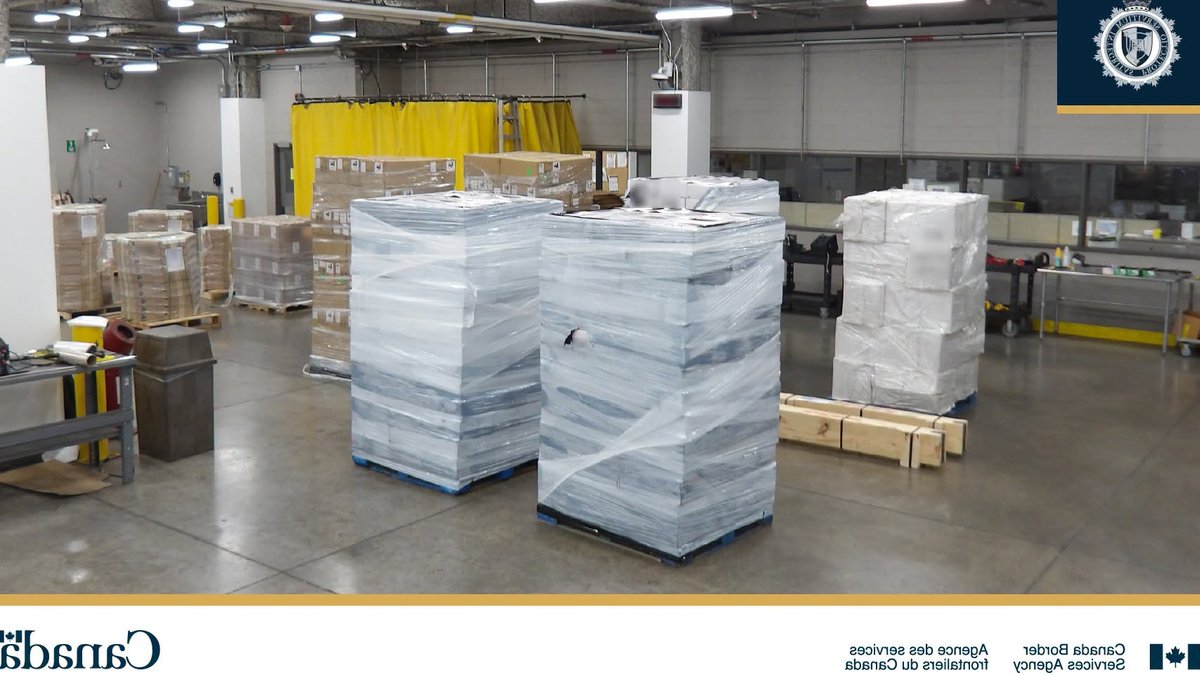
Canada Border Services Agency (CBSA) seized nearly $6.6 million in nicotine products from three U.S. semis entering Canada within four days. The seizures occurred at Ontario’s Blue Water Bridge, where officers intercepted 61,758 vapes and thousands of kilograms of nicotine pouches.
The first interception happened on August 7, when officers seized approximately 61,758 nicotine vapes from a commercial driver arriving from the United States, valued at around CAD$2,778,177.
Three days later, another major discovery was made at the same crossing, with 570 kilograms of nicotine pouches seized from a commercial operator, estimated to be worth CAD$835,200.
On the same day, officers intercepted another pouch shipment from a separate driver, with the third load valued at approximately CAD$2,983,500. The CBSA has not identified any trucking companies connected to the loads and has withheld shipment details, citing federal privacy law.
Investigations into the cases remain ongoing, with the CBSA declining to provide specifics about what raised concerns in these cases.
The agency uses several risk-based indicators when deciding whether freight requires additional examination, which can lead officers to examine a shipment or investigate further.
The Blue Water Bridge connects Port Huron, Michigan, with Point Edward, Ontario, and is an important freight gateway between the two nations.
The location has produced several large contraband discoveries involving trucks, including hundreds of kilograms of cocaine and methamphetamine.
Organized crime is a concern for the CBSA, as illegal nicotine and tobacco sales can be a source of revenue, strengthening criminal networks and financing other illegal operations in Canada and internationally.
The agency has identified this connection while discussing its broader enforcement efforts.
The crossing has produced major commercial smuggling cases involving other contraband, including 1,317 kilograms of cocaine and 349 kilograms of methamphetamine seized from truck shipments through October 2025.
Related: Freight market softness may be deceptive
In February 2026, officers found 266.4 kilograms of suspected methamphetamine in a truck at the crossing, leading to the arrest of the driver and charges of importation and possession for trafficking.
The latest nicotine product seizures were made with no terms of release, and investigations remain active.
Authorities have not announced charges involving any commercial driver, and federal privacy restrictions prevent the agency from identifying carriers or providing additional shipment information.
These seizures highlight the importance of visibility into drivers, shipments, and unusual activity moving through networks.
Carriers and brokers need to be aware of potential warning signs to prevent questionable freight from entering legitimate networks.
Commercial freight can become part of cross-border contraband investigations, and stronger training can help transportation teams recognize warning signs before they become major issues.
The CBSA continues to investigate these seizures, and the importance of risk-based indicators and additional examination of freight will likely become even more apparent.
The CBSA’s efforts to combat organized crime and prevent illegal nicotine and tobacco sales will likely continue to be a major focus, given the potential revenue streams for criminal networks.
As the agency works to disrupt these operations, the role of commercial freight in cross-border contraband investigations will remain a key area of concern.
It is a significant issue.

Freight market softness may be deceptive


