


UK rejects China trade deal over US tariff fears
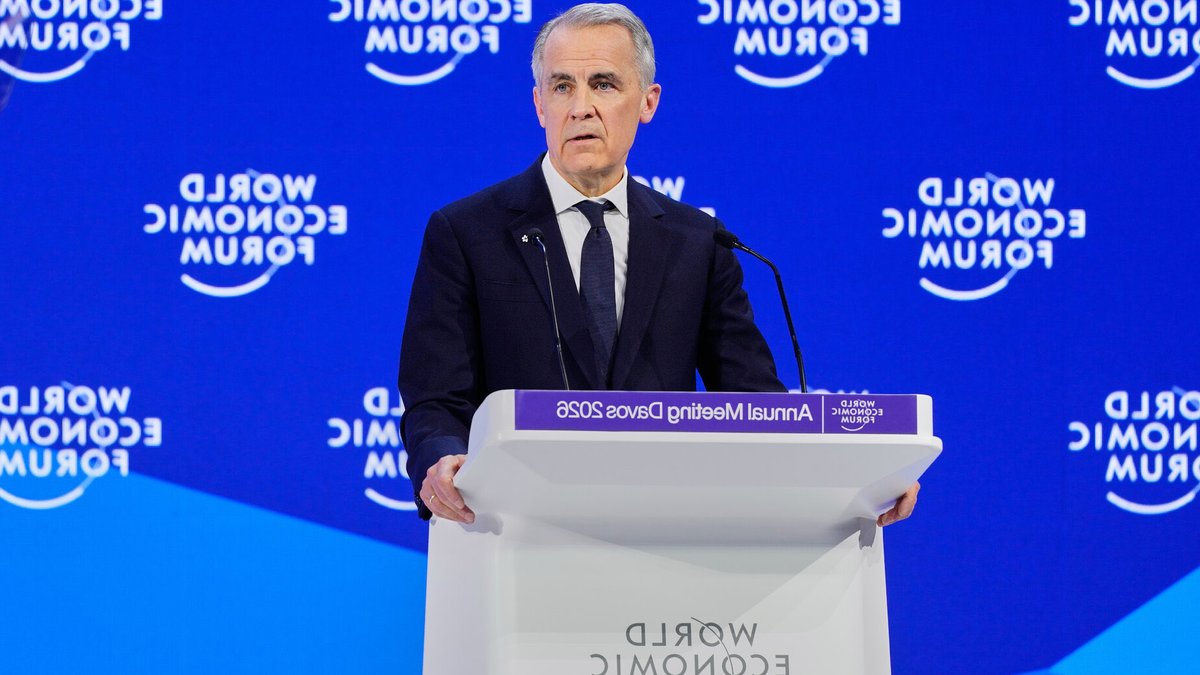
Canadian Prime Minister Mark Carney announced Canada would not pursue a formal free trade agreement with China, a decision intended to reduce tensions with the U.S. as President Donald Trump threatened tariffs on Canadian goods.
During a press briefing in Ottawa, Carney stated recent talks with Beijing focused only on resolving disputes from the past two years rather than creating a broader trade pact. The statement followed Trump’s warning that he would impose a 100% tariff on all Canadian imports if Canada strengthened economic ties with China.
Narrow Deal Focuses on EVs and Agriculture
The agreement, completed during Carney’s January 2026 visit to Beijing, addressed retaliatory measures that began in 2024. Canada agreed to limit Chinese electric vehicle imports to 49,000 annually under a reduced 6.1% tariff, down from 100%. The lower rate aims to make entry-level EVs more accessible for Canadian buyers, supporting the country’s emissions goals.
China, in exchange, cut tariffs on Canadian canola seed oil from 85% to 15% and removed anti-discrimination duties on lobster, beef, and hay through 2026. The deal also included a pledge from Beijing to invest in Canada’s automotive sector within three years.
Carney called the agreement a return to stability in trade relations, noting it contrasted with the unpredictability of U.S. policy under Trump. He added that recent interactions with China had been more consistent and produced tangible results.
Trump Threatens 100% Tariffs, Revives Sovereignty Rhetoric
Trump reacted sharply to the deal, claiming Canada was becoming a gateway for Chinese goods to evade U.S. trade barriers. On Truth Social, he wrote that a 100% tariff would immediately apply to all Canadian goods entering the U.S. if Canada proceeded with the arrangement.
Related: Flutterwave Acquires Mono to Expand Open Banking in Africa
The president also accused Canada of undermining itself and repeated his suggestion that the country could be absorbed into the U.S. These remarks followed a speech Carney delivered at the World Economic Forum in Davos, where he criticized economic pressure from major powers—a remark widely interpreted as a response to Trump’s policies, including his past interest in purchasing Greenland.
Relations between the two leaders have grown more strained in recent months. The U.S.-Mexico-Canada Agreement adds another layer of complexity. Article 32.10 of the pact, known as the “China Clause,” allows member nations to block each other’s trade deals with non-market economies like China. If Canada signed a formal free trade agreement with Beijing, the U.S. could terminate the USMCA with six months’ notice and replace it with a bilateral deal with Mexico.
The USMCA faces a mandatory review this summer, increasing pressure on Canada’s trade strategy. Carney has presented the China deal as a way to manage risk, though it may strain ties with the U.S., Canada’s largest trading partner.
Carney’s strategy appears to walk a fine line: engaging with China enough to gain economic advantages while avoiding the appearance of a full shift in alignment. Whether this approach will prevent Trump’s threatened tariffs remains uncertain.
Recent developments in freight demand highlight how rapidly global trade patterns are evolving, adding another layer of complexity to Canada’s position.

Flutterwave Acquires Mono to Expand Open Banking in Africa


