


Giant Crab Outgrows Its Plastic Shell
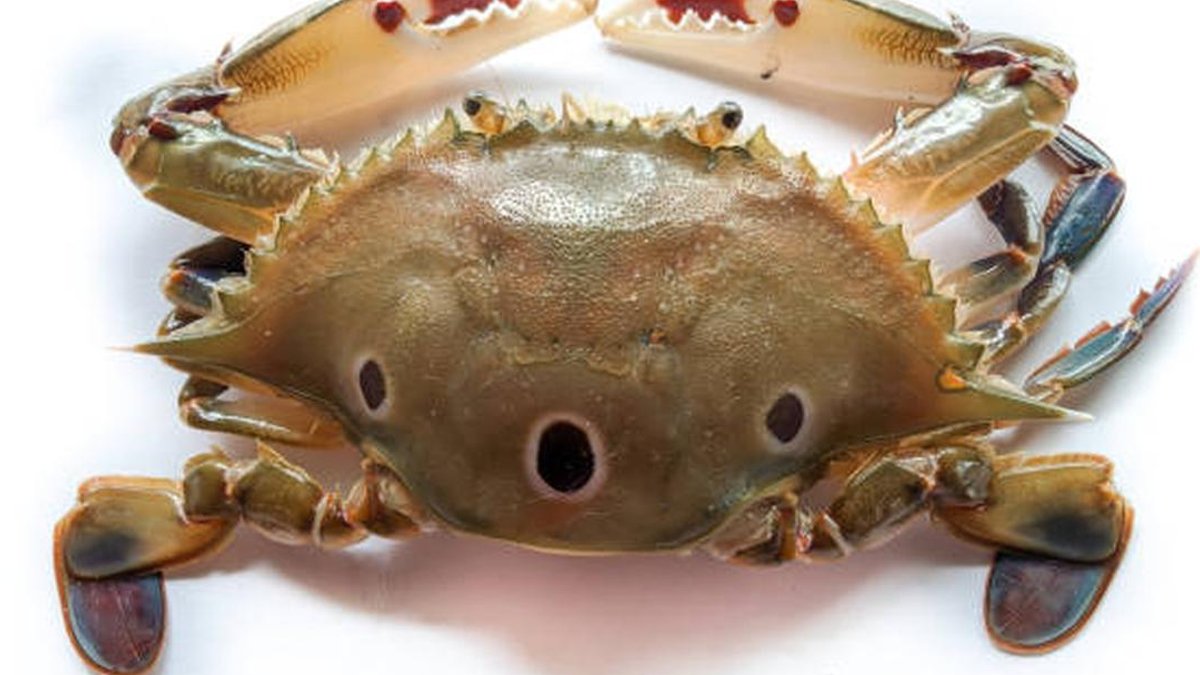
Scientists from Hiroshima University have detailed how a marine crab grew inside a plastic bottle that drifted off the coast of Okinawa, highlighting another way plastic debris can trap and alter marine life.
Unexpected inhabitant found in a drifting bottle
In July 2022, a team retrieved a barnacled, opened plastic bottle floating near Okinawa. Inside lay a large female crab missing a leg, its body exceeding the bottle’s opening. The bottle’s mouth measured about 24 mm across, while the crab measured 40.31 mm in length, 88.23 mm in width, and weighed 42.06 g.
Dissection revealed that the crab had entered the bottle as a juvenile. Stomach analysis showed it had eaten small fish such as rough triggerfish and algae that likely grew inside the container. The crab survived for roughly two months before outgrowing the narrow opening, leaving it trapped.
Examination of the barnacles attached to the bottle indicated an adrift period of about 62 days before recovery.
Related: How Instant Personal Loan Limits Are Calculated Without a Branch Visit
Implications of plastic debris on marine organisms
The study, published in Ecosphere, notes that the crab’s weight was higher than typical wild populations, suggesting that the confined environment provided ample nutrition. However, the plastic bottle offered no chance for the crab to reproduce or improve its overall fitness.
High‑density polyethylene, the material of the bottle, remains buoyant for decades and retains its shape, making it a persistent hazard. The researchers warned that similar narrow‑neck containers could trap other crustaceans and fish that associate with drifting objects.
Plastic waste continues to threaten marine ecosystems across taxa. Seabirds become entangled in fishing gear, turtles ingest plastic straws, and the Great Pacific Garbage Patch expands each year.
Each incident adds to a growing body of evidence that human‑made debris disrupts natural life cycles.
Related: Adding your blog to your resume: An asset for landing a job?
While the crab’s story reads like fiction, it highlights a real problem. The authors likened the situation to a short story by Japanese novelist Masuji Ibuse, where a salamander becomes stuck in its own cave. The comparison illustrates how an object meant for convenience can become a lethal trap.
From a broader perspective, this case shows how plastic debris can create micro‑habitats that temporarily sustain life but ultimately hinder species’ long‑term survival. The confined environment may boost short‑term growth, yet it isolates individuals from mates and suitable spawning grounds, reducing genetic diversity and population resilience.
Authorities and environmental groups have called for stricter regulations on single‑use plastics. Policies that limit the production of narrow‑neck bottles could reduce the frequency of such entrapments. Public awareness campaigns also aim to curb littering and encourage proper disposal.
In the meantime, scientists continue to monitor marine debris and its impact on wildlife. Ongoing research seeks to quantify how many species are affected and to develop mitigation strategies that could prevent similar incidents.

How Instant Personal Loan Limits Are Calculated Without a Branch Visit


